
Looking to be involved with an orchard from its development through to full production, Nick Common joined Harbour Edge... Read More


Our Avocado Knowledge
Our Technical Horticultural Representatives and stores are present in the main avocado growing regions in the North Island.
Fruitfed Supplies also launched its avocado monitoring programme in 1997 and is now the largest certified Avogreen monitoring operator, a programme administered by New Zealand Avocados. AvoGreen monitoring is based on integrated pest management principles to help growers use suitable crop protection products and improve pack-out.
Avocado Tech-Know Tips For April

- Early satsumas are near harvest maturity in April, so check for Brix and acid levels. Navel oranges start colour break. This is also a good time to prune shelterbelts.
- Monitor for mites at harvest and, if required, control with Excel Organic Oil.

- Where needed, control thrips this month with Fyfanon® (except on Meyer lemons) or Excel Organic Oil. Be aware of the pre-harvest interval of up to 28 days for Fyfanon in some markets if growing early season satsumas, or up to 42 days for other citrus varieties.
- Brown rot caused by phytophthora can lead to fruit drop. Manage this by applying copper such as Tri-Base Blue® or a fungicide such as Dithane® Rainshield™ NeoTec or Captan® 600 Flo; however, do not use oil products 14 days either side of an application of Captan.
*ACVM registration numbers apply. Read registered label before use.
Knowledge Hub | The Latest Avocado News
-
 Fertigation boosts productivity in Northland avocado orchard
 -
 Biological control options for fungal infections in horticultural cropsFungal infections come with summer’s warm, wet conditions and are devastating for crops. Botrytis infections in grapes,... Read More
 -
 Katikati orchardist expands organic businessKatikati Orchardist Adam Alexander had plans to train as a secondary school teacher when two things happened. Read More
 -
 Avocado monitoring expands northwardWhen Fruitfed Supplies launched its avocado monitoring programme in 1997, it was a joint venture called AvoGreen with the... Read More

Our Citrus Knowledge
The Fruitfed Supplies team in Hawke's Bay, Bay of Plenty, Gisborne, and Northland offer product knowledge and support to orange, mandarin, grapefruit, and lime growers.
Crop monitoring is also an important part of Fruitfed Supplies' offering to the citrus industry. Timely pests and disease monitoring goes hand in hand with our Technical Horticultural Representatives' crop management recommendations and accurate reporting for accurate decision making and auditing purposes.

Citrus Tech-Know Tips For April

- March brings the autumn growth flush in citrus trees and limes just come into season. The final hand thin of satsumas should be done prior to the start of harvest in April.
- During the pre-harvest period, it is important to monitor for thrips and mites and control, when needed. Both can be controlled with Excel Organic Oil. Fyfanon® is another option for thrips, bearing in mind its pre-harvest interval for some markets is up to 42 days so check with your exporter if required.

- Where needed, control thrips this month with Fyfanon® (except on Meyer lemons) or Excel Organic Oil. Be aware of the pre-harvest interval of up to 28 days for Fyfanon in some markets if growing early season satsumas, or up to 42 days for other citrus varieties.
Brown rot caused by phytophthora can lead to fruit drop. Manage this by applying copper such as Tri-Base Blue® or a fungicide such as Dithane® Rainshield™ NeoTec or Captan® 600 Flo; however, do not use oil products 14 days either side of an application of Captan.Brown rot can be managed by applying protective chemistry such as Dithane® Rainshield™ Neo Tec, Fruitfed Captan 80WG, or Tri-Base Blue. If also controlling thrips, do not use mineral oils 14 days either side of a Captan application. - *ACVM registration numbers apply. Read registered label before use.
Here's The Latest Citrus News From Our Knowledge Hub
-
Posted in: Horticulture Summer Fruit Wine Grapes Pip Fruit Stone Fruit Horticulture Product Showcases
 Fertigation supports growth of fruit cropsOver the winter months, a good number of the Fruitfed Supplies Technical Horticultural field team participated in training... Read More
 -
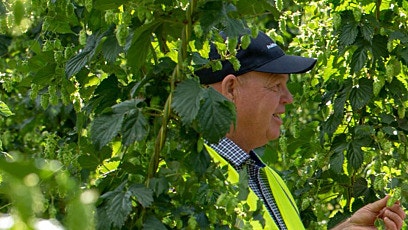 Busy horticultural crop monitoring season underwayFruitfed Supplies Crop Monitors are hard at work all over New Zealand at this time of year, looking for pests, diseases and... Read More
 -
 Scholarship winner's keen involvement in horticultureThe 2021 recipient of the Massey University Fruitfed Supplies Horticulture Scholarship, Dylan Hall, has grown up surrounded... Read More