
Orchard-Rite, Fruitfed Supplies’ long-standing and trusted supplier of frost-fighting wind machines, has appointed Ben Daking to lead special... Read More

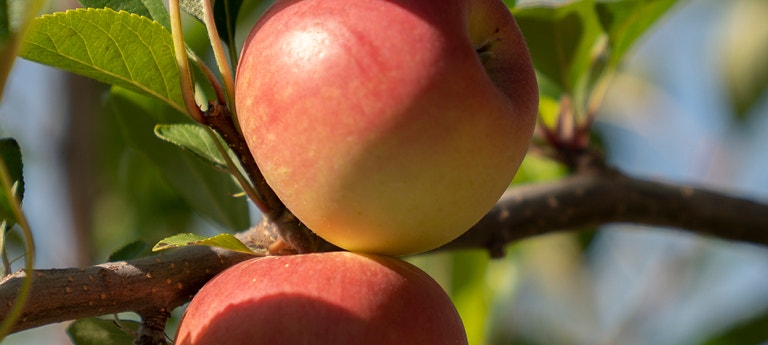
Our Pipfruit Knowledge
Our team supports apple and pear growers throughout Hawke's Bay and Tasman. From the early days, Fruitfed Supplies has worked closely with the apple industry and has developed close relationships with some of the largest apple growers, packers and exporters in the country.
Fruitfed Supplies' Research and Development activities have traditionally had a heavy focus on apple production, and we have worked with a number of apple growers to host trials on their orchards to ensure any new products released to the market performs and meet stringent market requirements for this product.
Our Growers | Rockit Apples
Rockit apples are like other apples in that they’re grown on trees but then the team at the Hawke’s Bay company behind the miniature apples have taken their own path.
A little larger than a golf ball, Rockit apples are marketed globally as healthy snacks and sold in recyclable plastic tubes. In some markets, a tube of five perfectly formed Rockit apples sells for $US10...
Our Growers | Birdhurst Ltd
Growing 300 ha of apples and 50 ha of gold kiwifruit in Motueka, Richard Clarkson appreciates the advice and support he receives from the Fruitfed Supplies team. With the company assisting the Birdhurst family for over 35 years, Richard says he appreciates being able to ring his rep and seek advice on product choice, along with having an extra set of eyes on the crops.
Pipfruit Tech-Know Tips For April

- On harvested blocks, apply protective fungicide such as Fruitfed Captan 80WG or another effective fungicide to protect picking scars from European canker. The addition of Bond Xtra improves deposition onto the scars and retains cover following rainfall.
- Late harvested varieties are still at risk of black spot and fruit rot infection this month. If wet weather is anticipated, ensure a protectant fungicide cover such as Fruitfed Captan 80WG is applied. Always check the pre-harvest interval with your exporter prior to application.
- Ensure you assess fruit for scale and mealy bug according to protocols to determine the appropriate control measures for next season.

- Continue monitoring for codling moth and leafroller. The recording of trapping activity and trap maintenance is essential for audit purposes. Apply an insecticide if thresholds are exceeded. Your choice will depend on variety, pre-harvest interval and market destination.
- Continue with regular calcium applications. Avoid spraying under hot, dry conditions or under slow drying conditions, as fruit and foliar injury can occur. Add a wetting agent if applied alone.
Knowledge Hub | The Latest Pipfruit News
-
Posted in: Machinery Horticulture Wind Machines Wind Machine Horticulture Product Showcases Orchard Rite Wind Machines
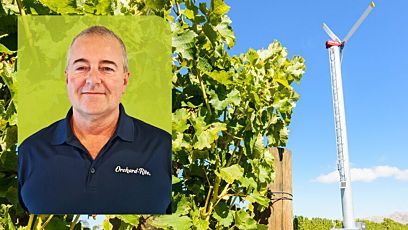 Additional support for Orchard-Rite in New Zealand
 -
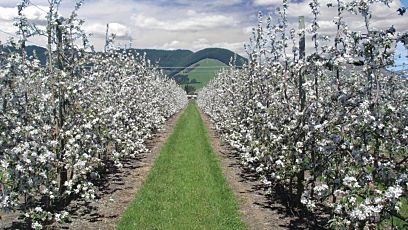 New powdery mildew control option for pipfruit growersA new fungicide for the control of powdery mildew in pipfruit called Property® is welcome news for orchardists looking for new options to assist... Read More
 -
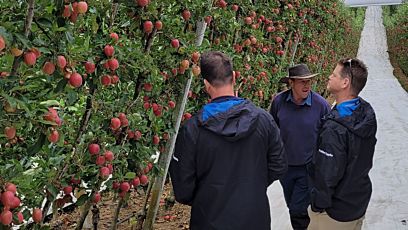 Looking overseas for downy mildew control options for orchards and vineyardsIn a year when there’s been so much more downy mildew to manage in our vineyards than usual, a recent BASF study tour to South Australia... Read More
 -
 Introducing Fruitfed Supplies' Machinery Product Manager Richard FlatmanRichard Flatman (pictured) joined the Fruitfed Supplies team recently as the National Product Manager – Machinery, taking over from Les Rackley... Read More